5 hr
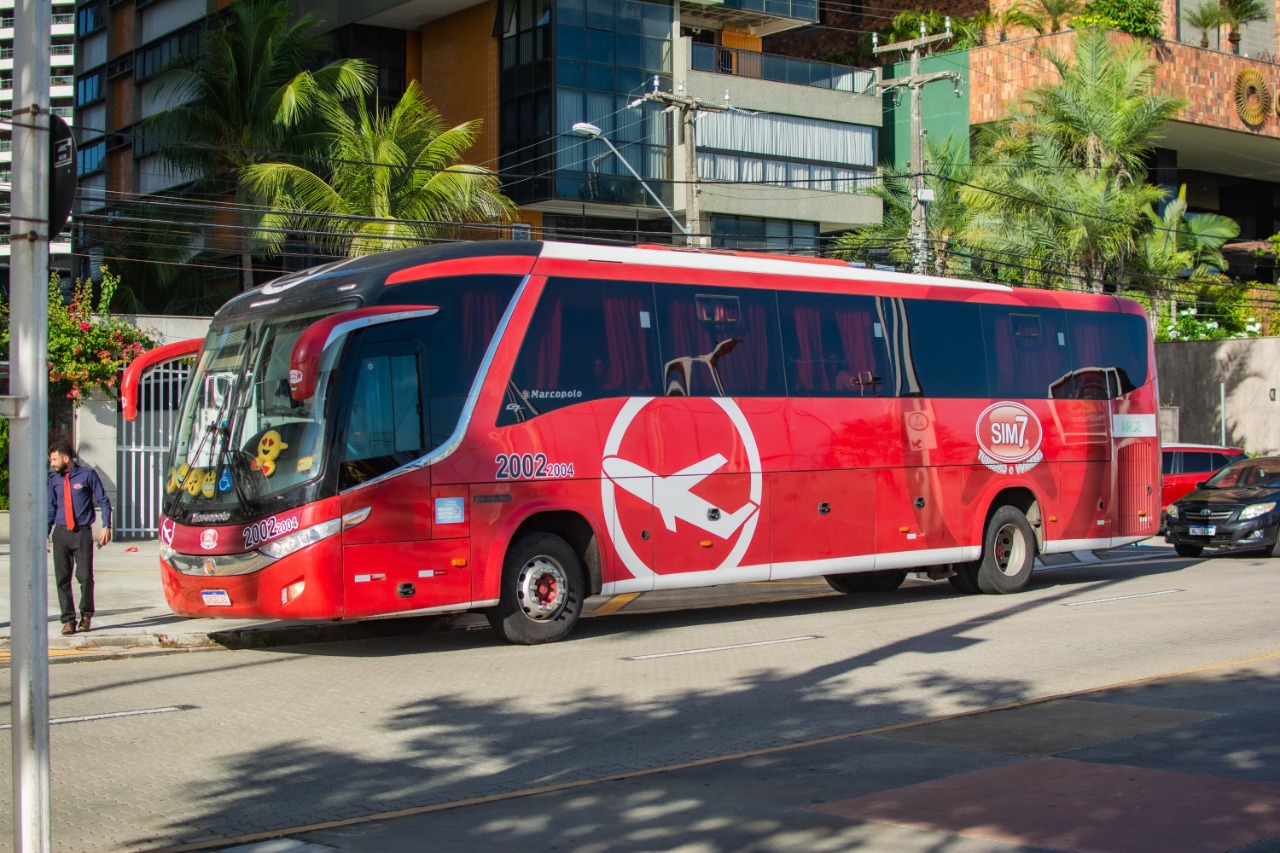
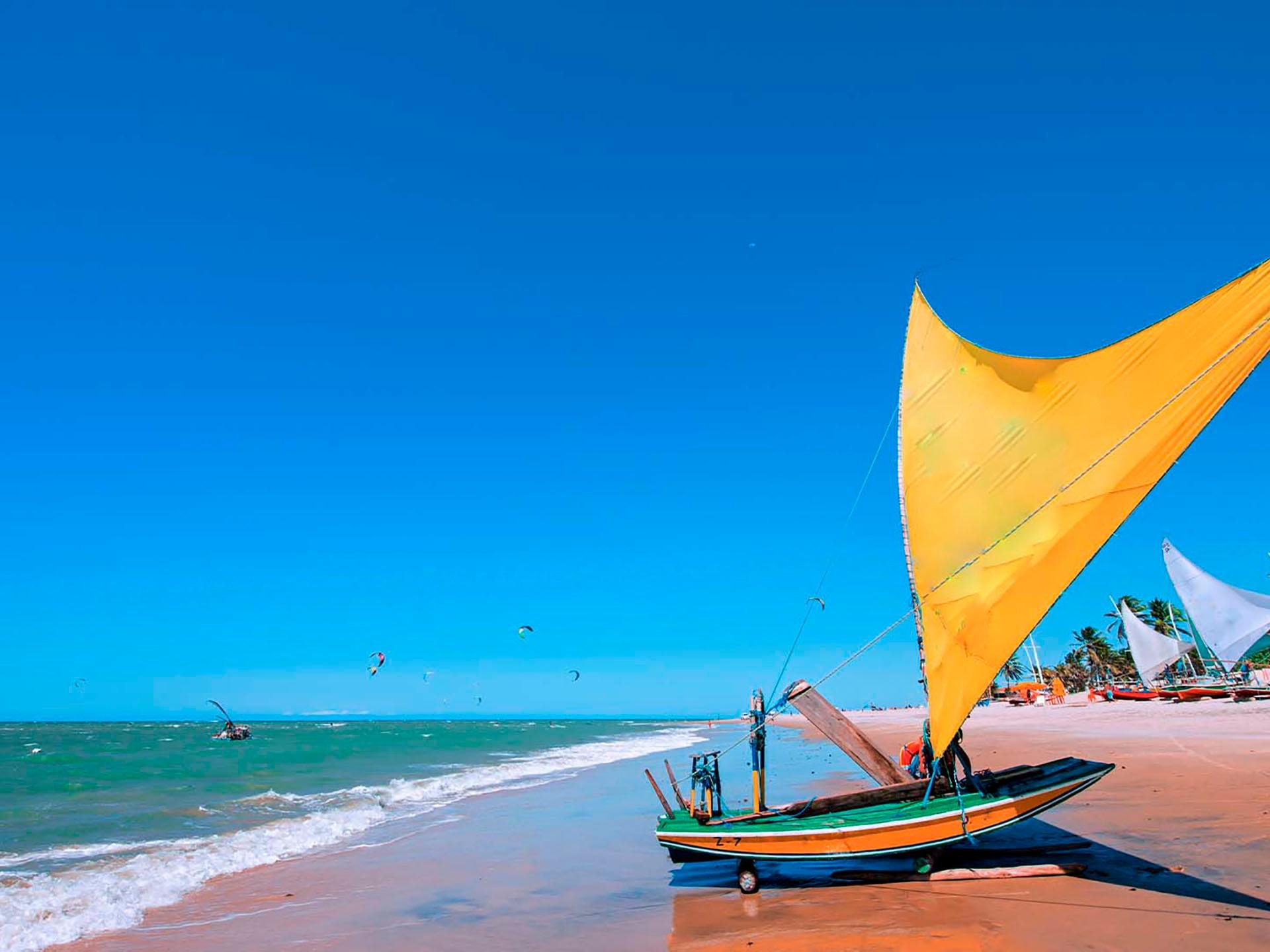
Shared Transfer: Fortaleza to Jericoacoara
- Entry ticket
- Mobile voucher
- Valid same day
- Free cancellation
Molokini Crater — Guided Snorkel Tours for Non-Swimmers
Life-vest equipped, calm-water access to Hawaii's submerged volcanic rim
Compare fares, pick the fit — all bookings are mobile-voucher and eligible for free cancellation where shown.
5 hr
9 hr
9 hr
Selecting the right excursion is essential for molokini snorkeling for non swimmers to ensure a comfortable experience near the crater. These boat-based services prioritize water safety and provide necessary flotation devices for those exploring the marine life.
| Standard Snorkel Tour Shared Boat Access |
Top pick Safety-Focused Excursion Guided Small Group |
|
|---|---|---|
| Entrance fee | 0 USD | 0 USD |
| Safety equipment | Life vests included | Life vests and noodles provided |
| Access method | Private commercial boat | Private commercial boat |
| Arrival window | 07:00–11:00 | 07:00–11:00 |
| Guided supervision | General crew support | Certified water safety guide |
| Best for | Independent snorkelers | First-time snorkelers needing support |
| See tickets & prices |
Verdict: If you are evaluating molokini snorkeling for non swimmers tickets, the safety-focused excursion is best for beginners requiring extra guidance, while the standard molokini snorkeling for non swimmers tour suits those comfortable with basic ocean conditions.
Worth it with proper flotation support
Molokini snorkeling for non swimmers delivers meaningful access to one of Hawaii's clearest marine sanctuaries when commercial operators provide full flotation vests and surface-watching gear. The crater's protected inner rim concentrates tropical fish—tangs, wrasses, butterflyfish—within three to ten feet of the surface, letting visitors observe reef activity without submerging. Morning departures from Ma'alaea Harbor position boats inside the caldera before wind chop arrives, and crew-assisted entry from swim platforms removes the anxiety of open-ocean boarding. The trade-off: you pay premium tour rates (typically $90–140 per adult for half-day charters) for what amounts to two hours of float-assisted viewing rather than true snorkeling, and rough crossings during afternoon or winter swells can override the crater's shelter. Value peaks for those who want marine life exposure without swim skills but accept they're renting safety infrastructure as much as the destination itself.
Bottom line: Molokini snorkeling for non swimmers justifies the expense if you value supervised ocean access to dense reef life over independent exploration, but the short float time and crossing conditions make it a calculated rather than automatic choice.
They complement each other; most visitors who do both call Molokini Crater the more thrilling, while the Wailea Beach shore experience is the superior choice for building initial water confidence. These molokini snorkeling for non swimmers tours provide professional guidance, while a shore-based molokini snorkeling for non swimmers tour focuses on shallow-water comfort.
|
Top pick Molokini Crater |
Wailea Beach Shore | |
|---|---|---|
| Location | Offshore crater (boat access) | Directly from shoreline |
| Accessibility | Requires boat tour booking | Direct, walk-in access |
| Skill Level | Intermediate (deep water) | Beginner (shallow water) |
| Entry Method | Boat steps or platform | Gradual sandy beach entry |
| Flotation Aids | Provided (vests, belts, noodles) | Available (rental/personal) |
| Duration | 3–5 hours typically | Flexible (on your schedule) |
| Best Conditions | 07:00–11:00 (calm) | Depends on daily surf |
| Safety Support | Professional crew/lifeguards | Self-guided (buddy recommended) |
| See tickets & prices |
Verdict: Choose the Molokini excursion if you want high-visibility marine life and boat amenities, but opt for the shore-based experience if you need to secure your molokini snorkeling for non swimmers tickets through a private instructor to build fundamental skills.
Hand-picked experiences loved by thousands of travelers
10 hours
Free Cancellation
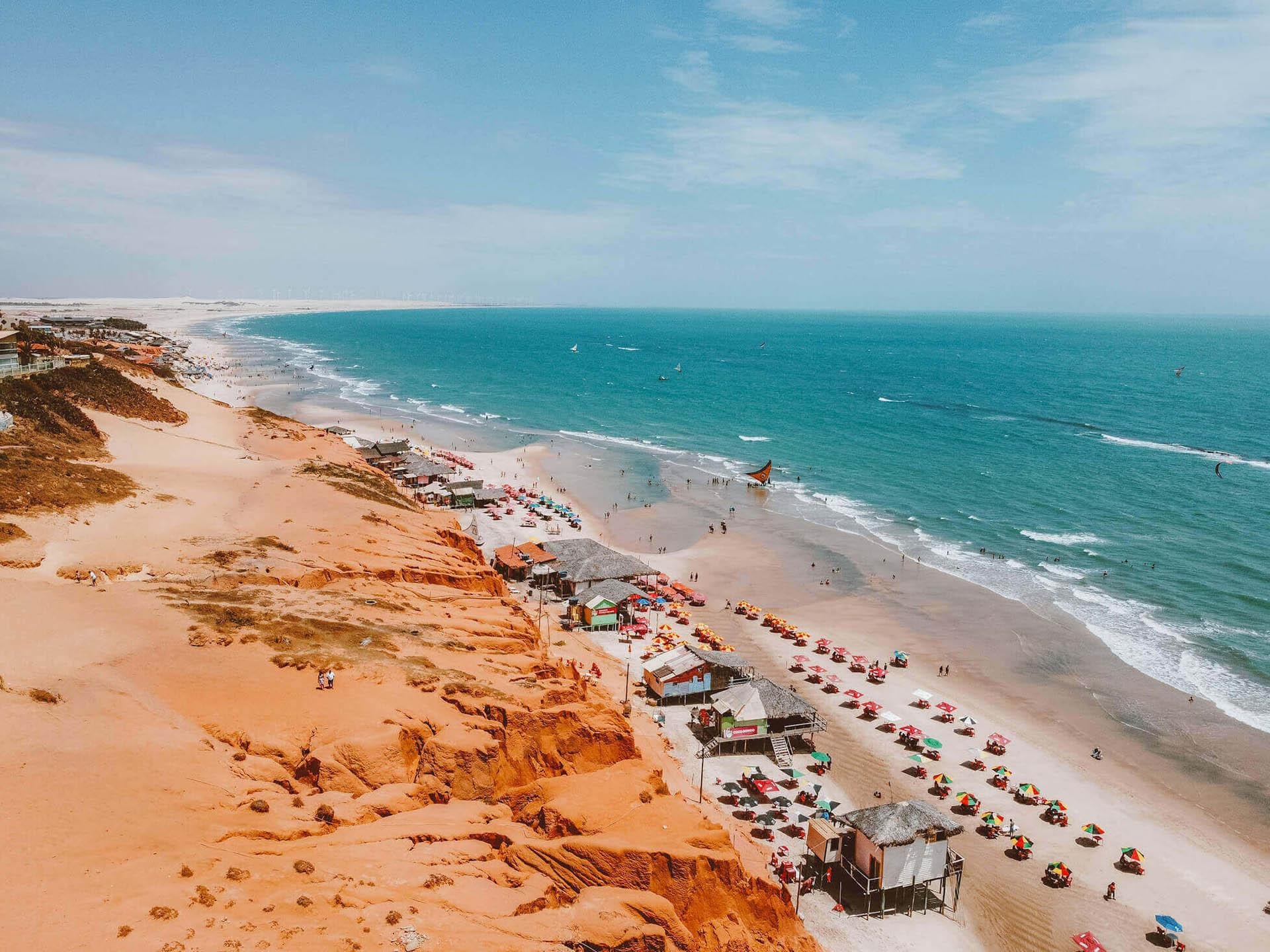
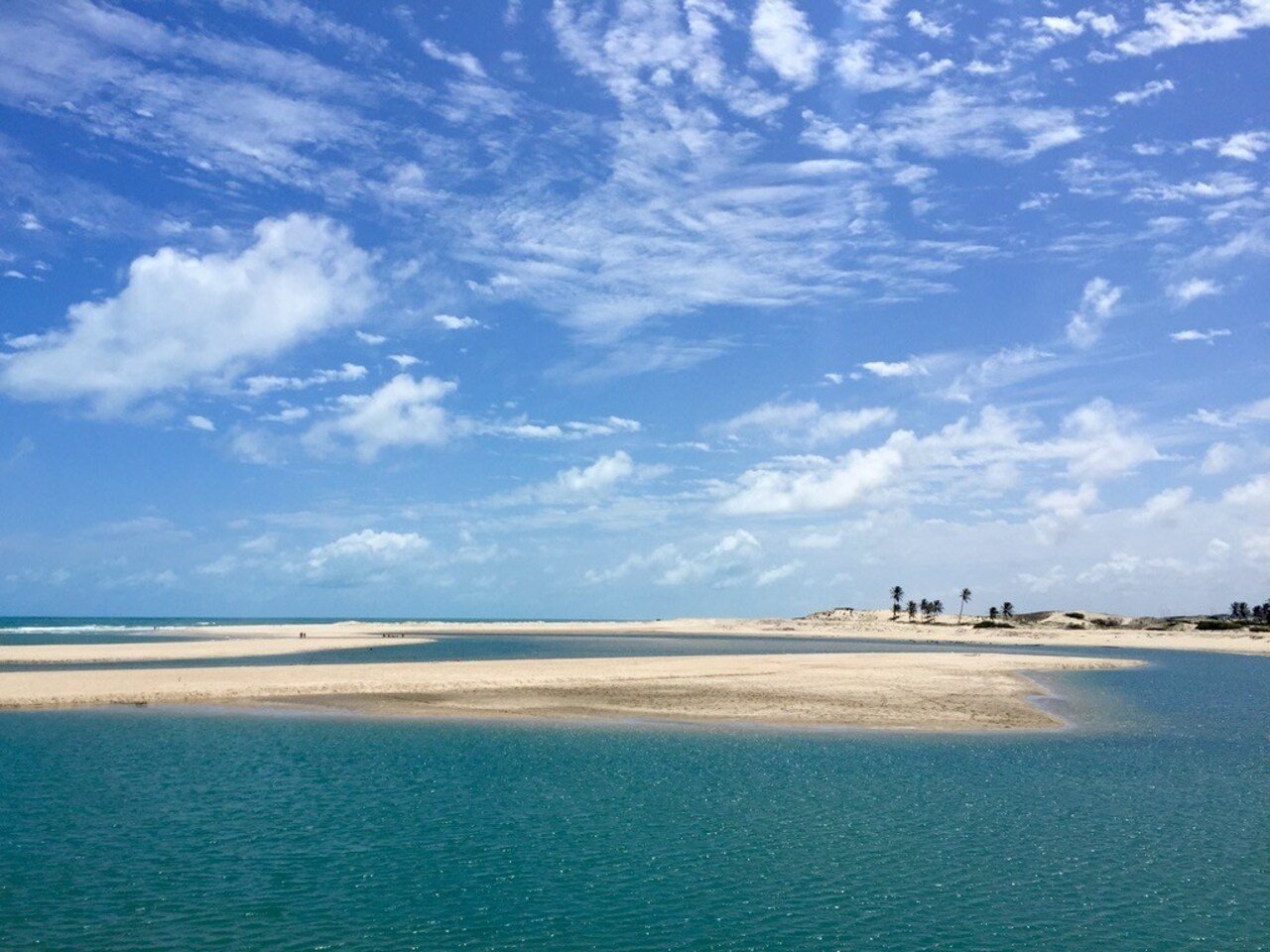
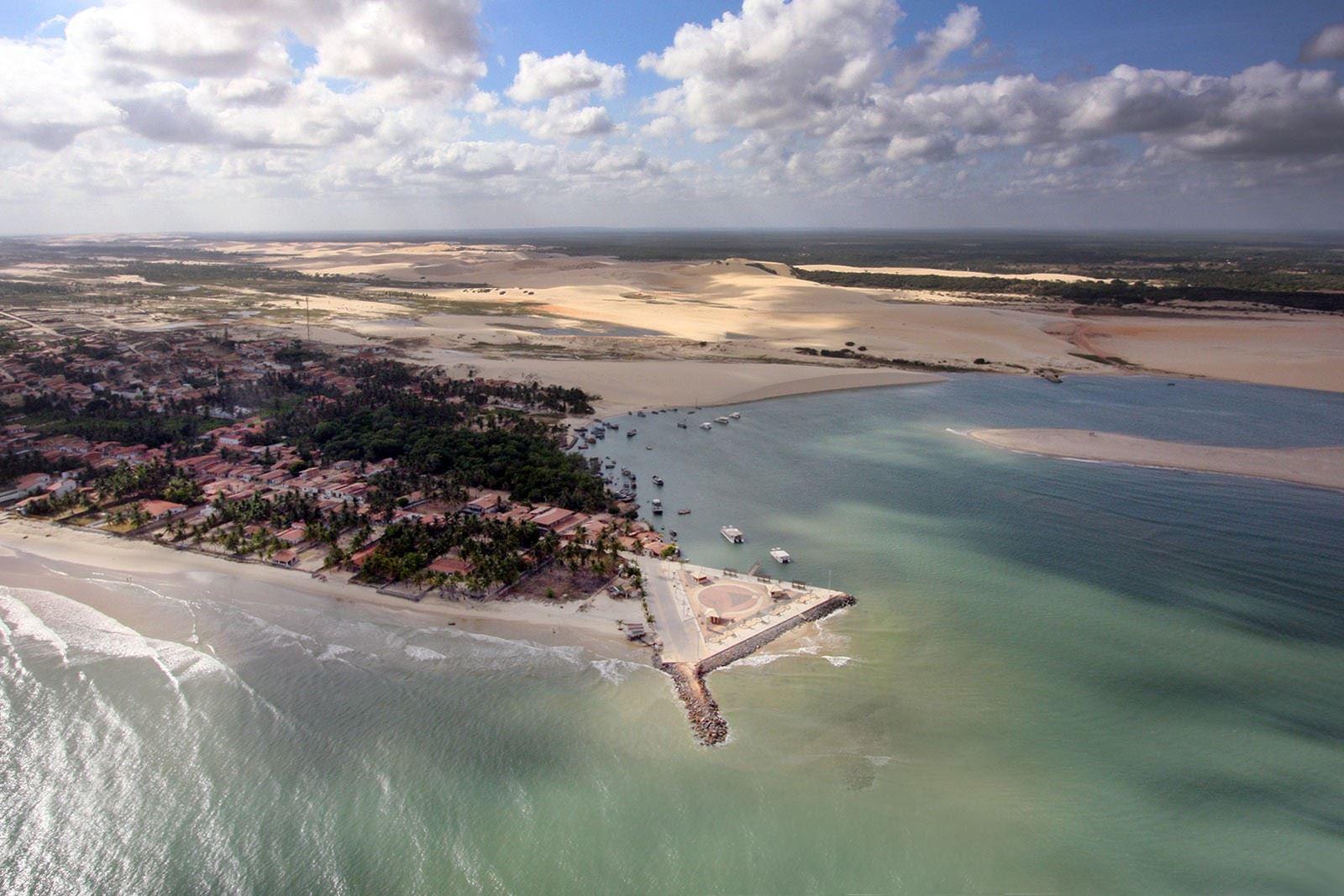
Discover pristine shores just beyond the city with a full-day coastal adventure to Ceará's stunning coastline
10 hours
Free Cancellation
Journey to a secluded coastal gem where river meets ocean amid pristine dunes and lagoons
11 hours
Free Cancellation
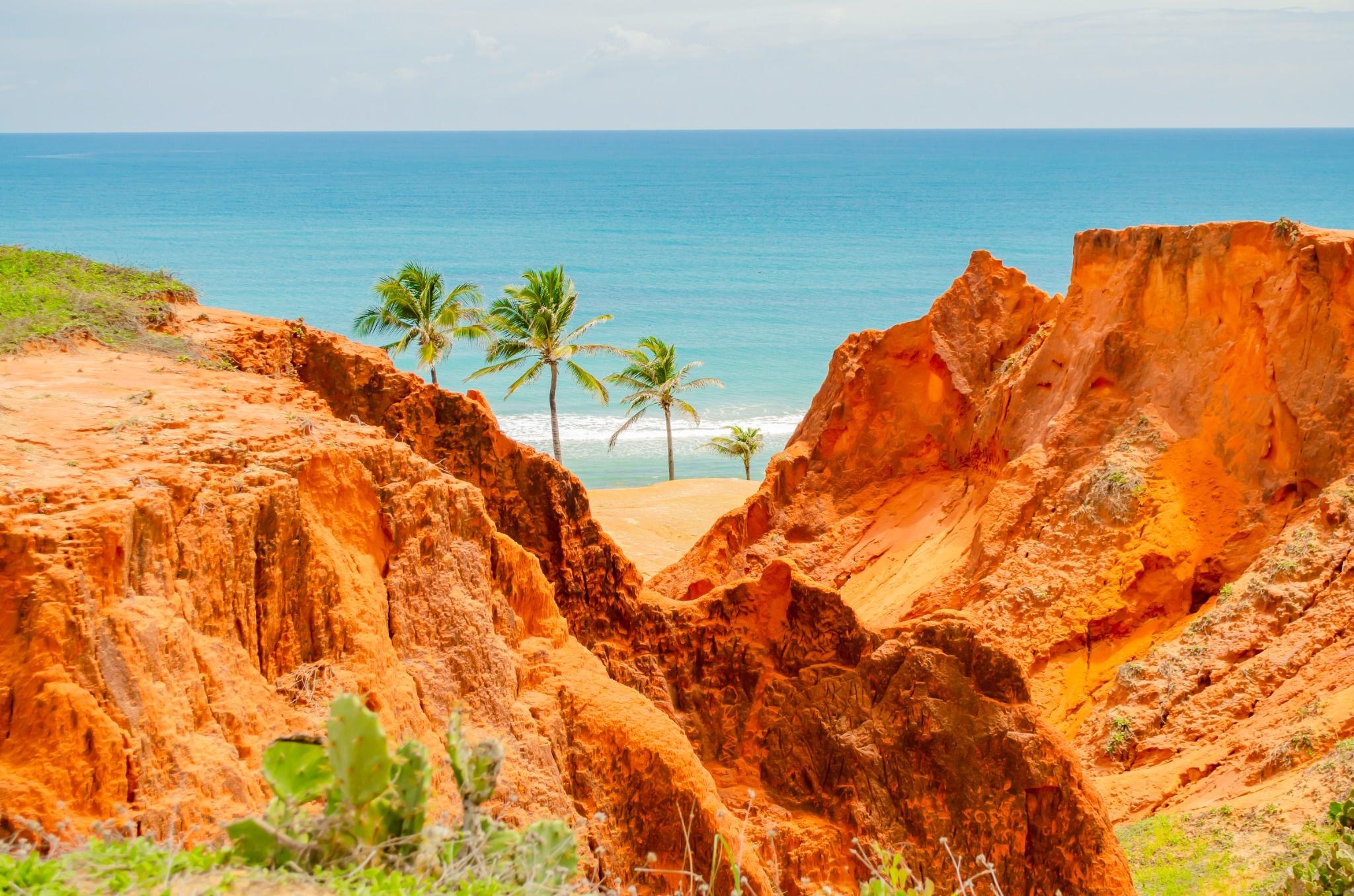
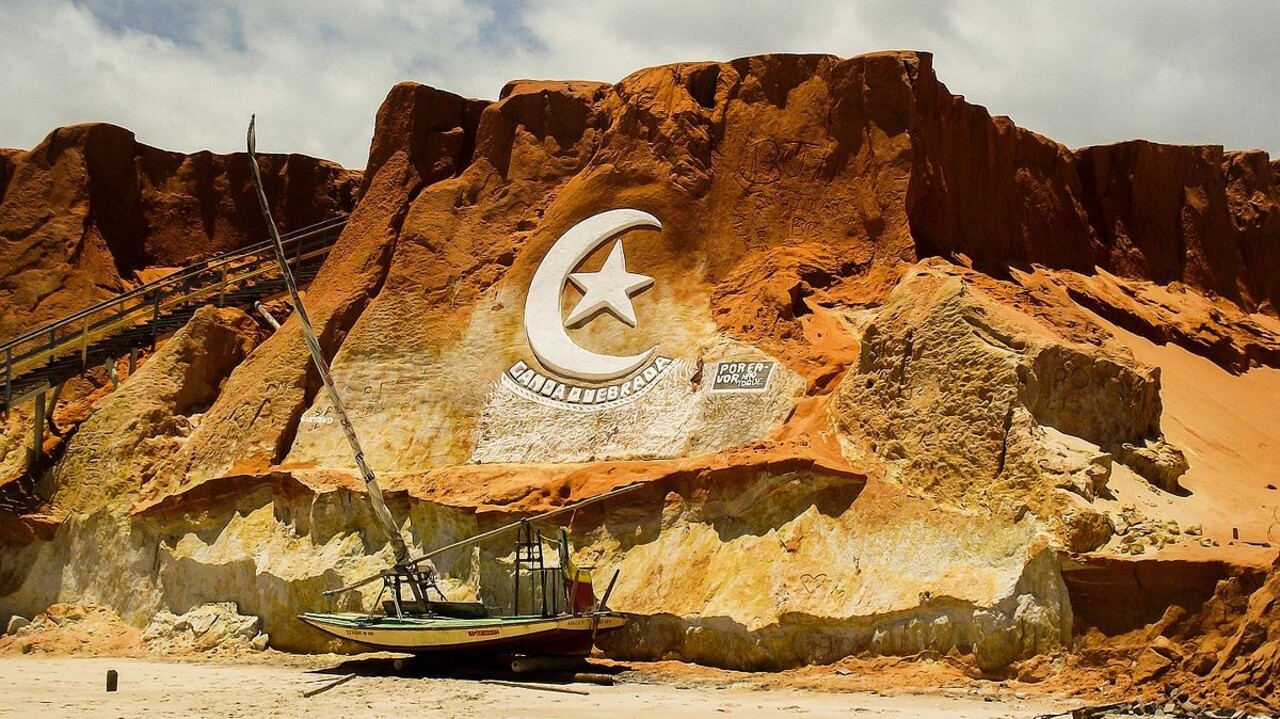
Full-day coastal adventure exploring vibrant sandstone formations and three stunning Ceará beaches
18 hours
Free Cancellation
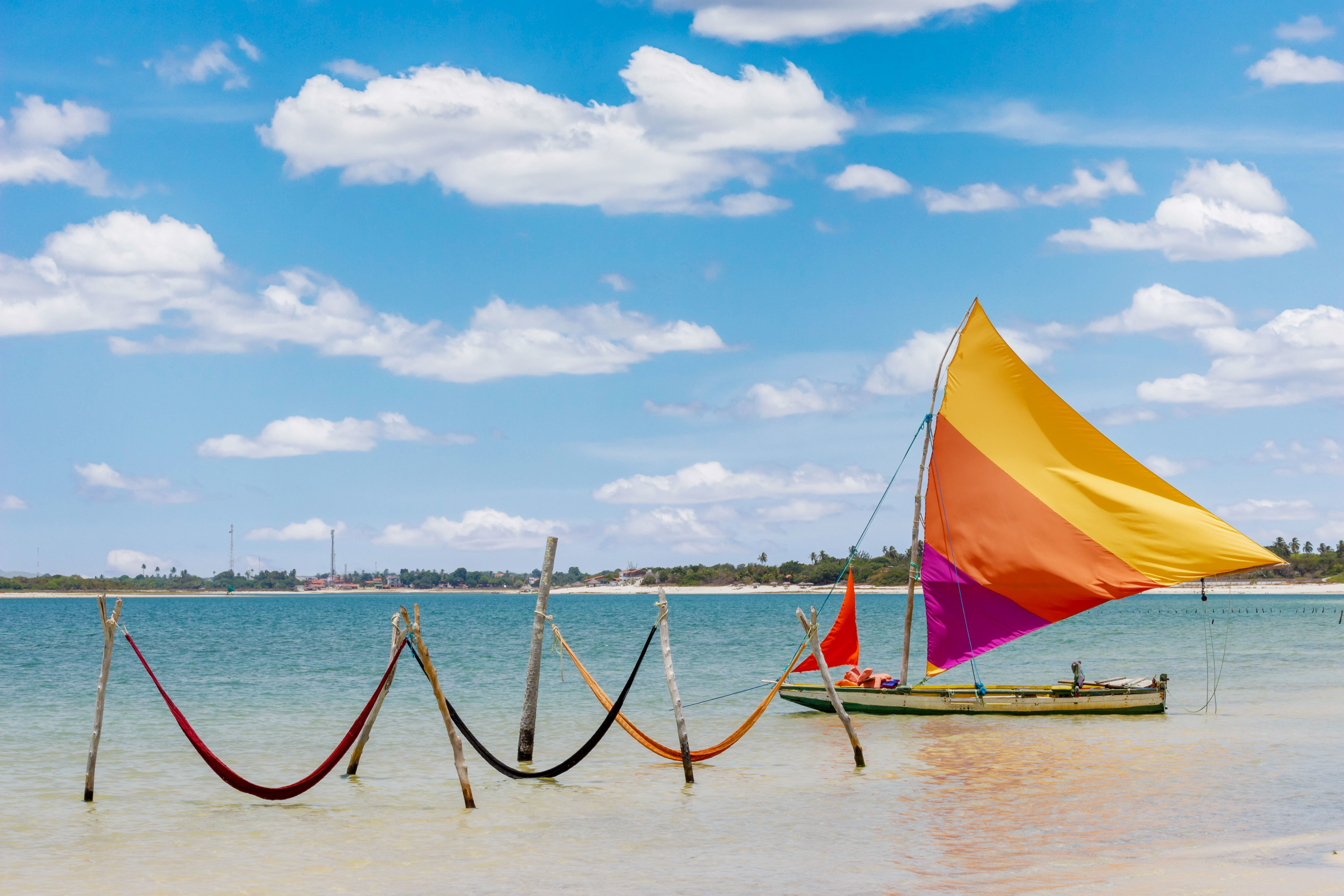
Full-day adventure to Brazil's stunning coastal paradise with dunes, lagoons, and iconic landmarks
17 hours
Free Cancellation
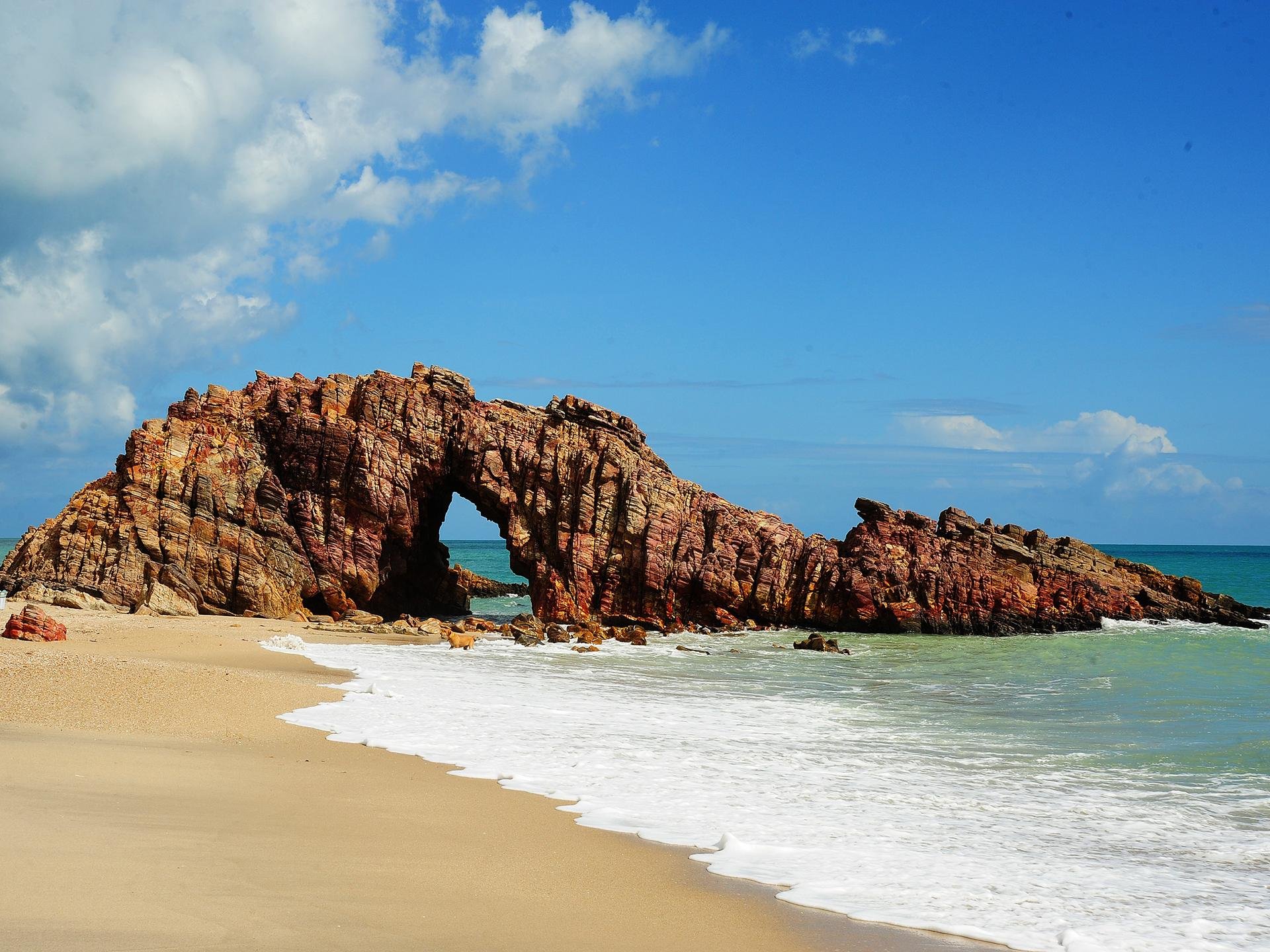
Discover Brazil's coastal gem with pristine lagoons, dramatic rock formations, and world-class beaches
8 hours
Free Cancellation
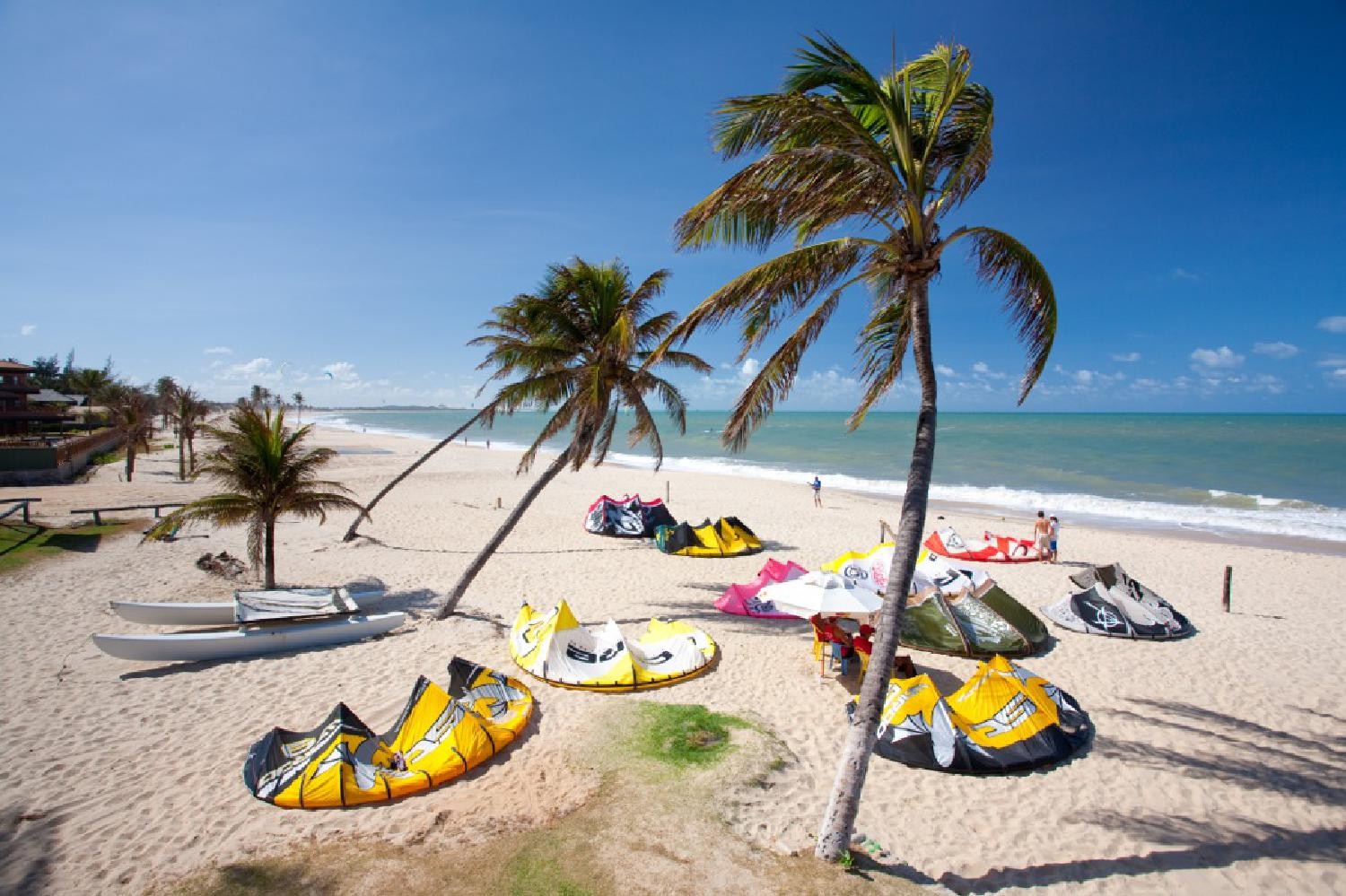
Explore dramatic sand formations, swim in freshwater lagoons, and experience Brazil's kite surfing capital
8 hours
Free Cancellation
Discover two pristine coastal gems north of Fortaleza with a scenic catamaran journey through mangroves
6 hours
Free Cancellation
Air-conditioned coach service connecting Jericoacoara village to Fortaleza's beachfront with rest stops
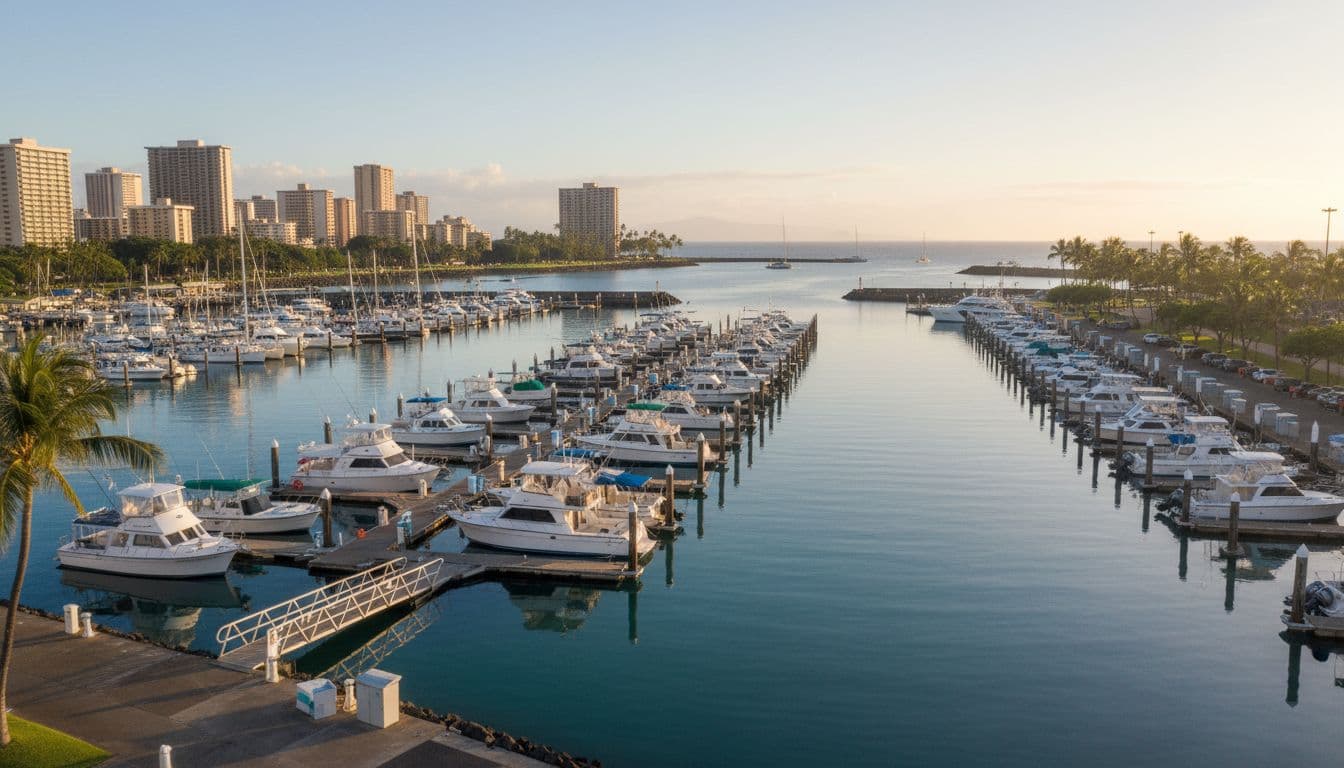
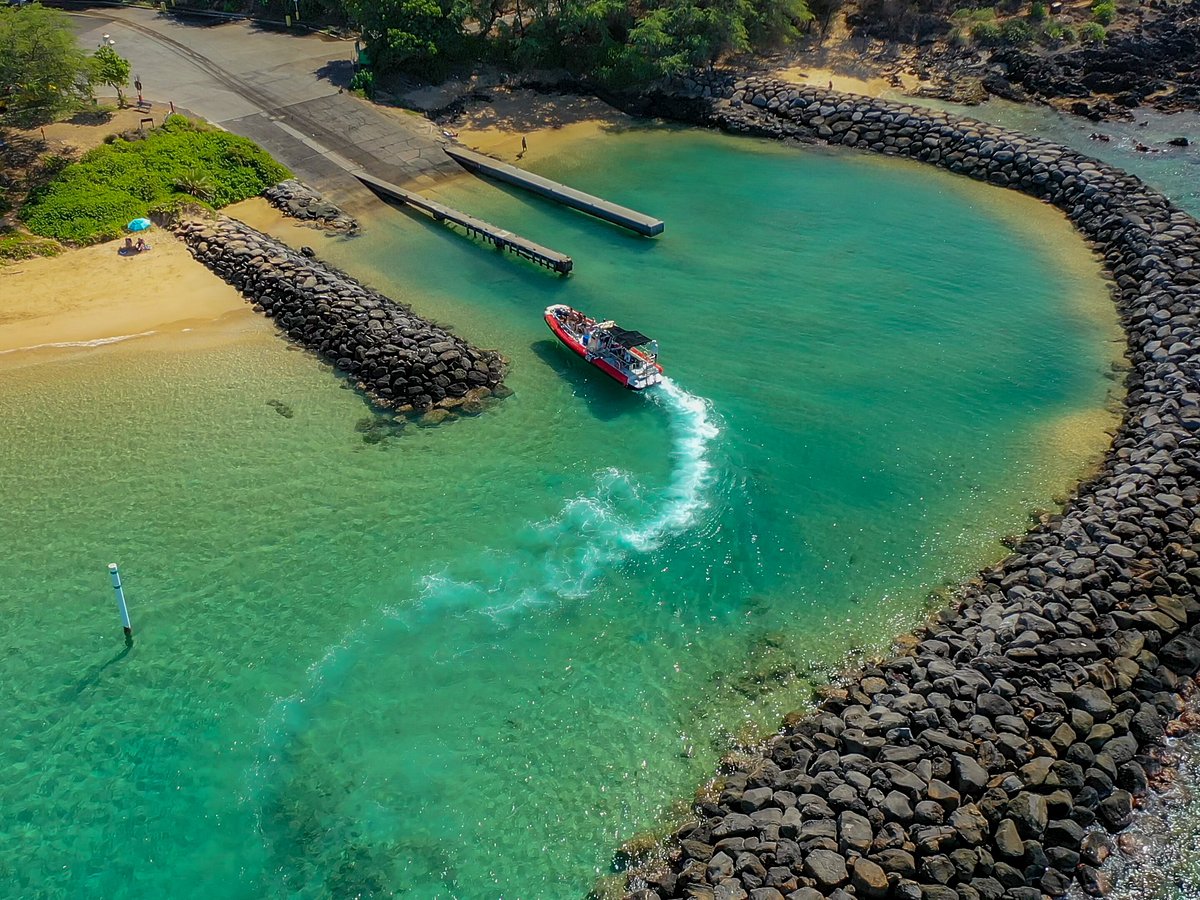
Depart from Maalaea Harbor or Kihei Boat Ramp
Enjoy scenic coastal views en route to the site
Practice molokini snorkeling for non swimmers with safety gear
Light lunch served on the return trip
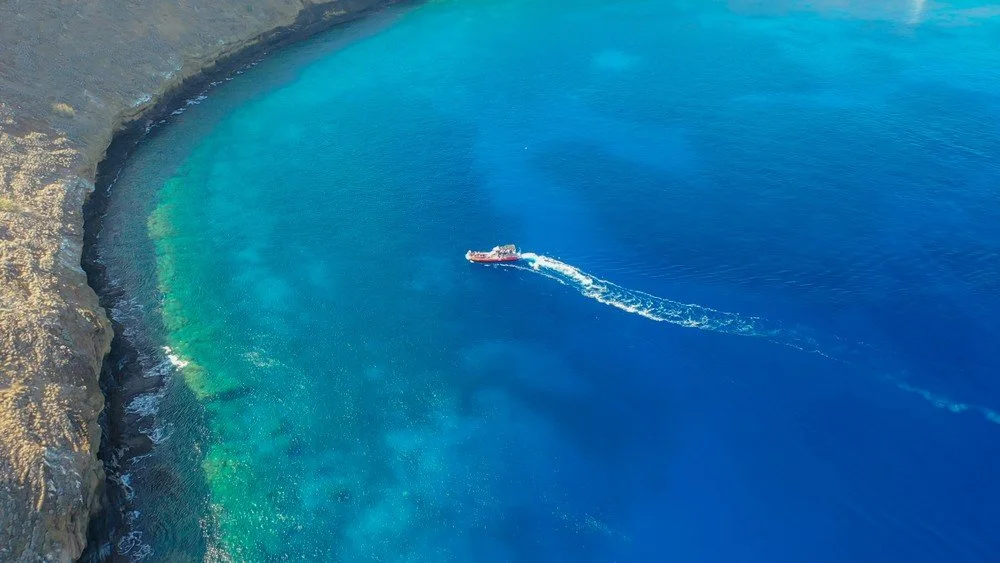
The crater wall provides natural protection from open ocean swells. This geography is vital for molokini snorkeling for non swimmers.
A vast array of tropical fish thrive here. Use caution to avoid damaging the ecosystem.
The exterior of the crater features a steep drop into deep water. This is for experienced swimmers only.
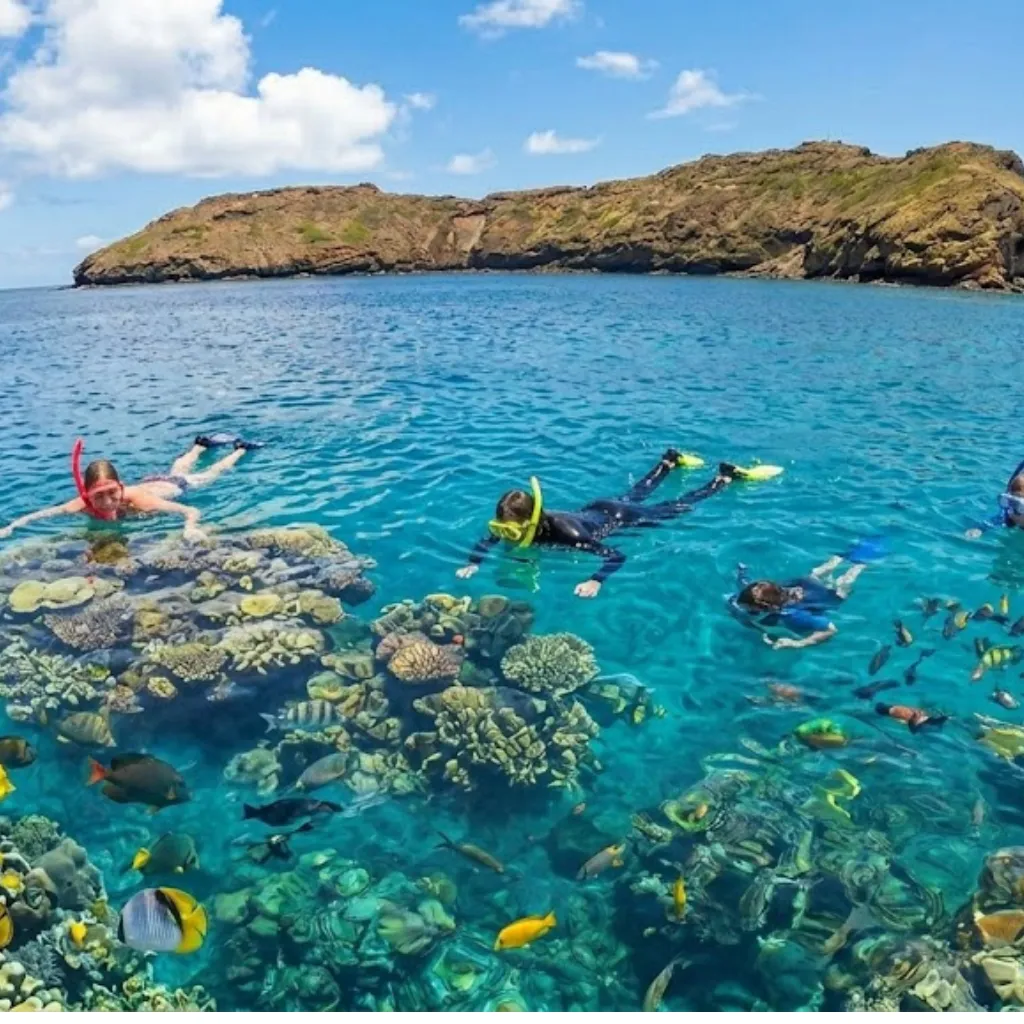
The interior water is exceptionally clear due to the lack of runoff. It offers the most stable conditions for molokini snorkeling for non swimmers.
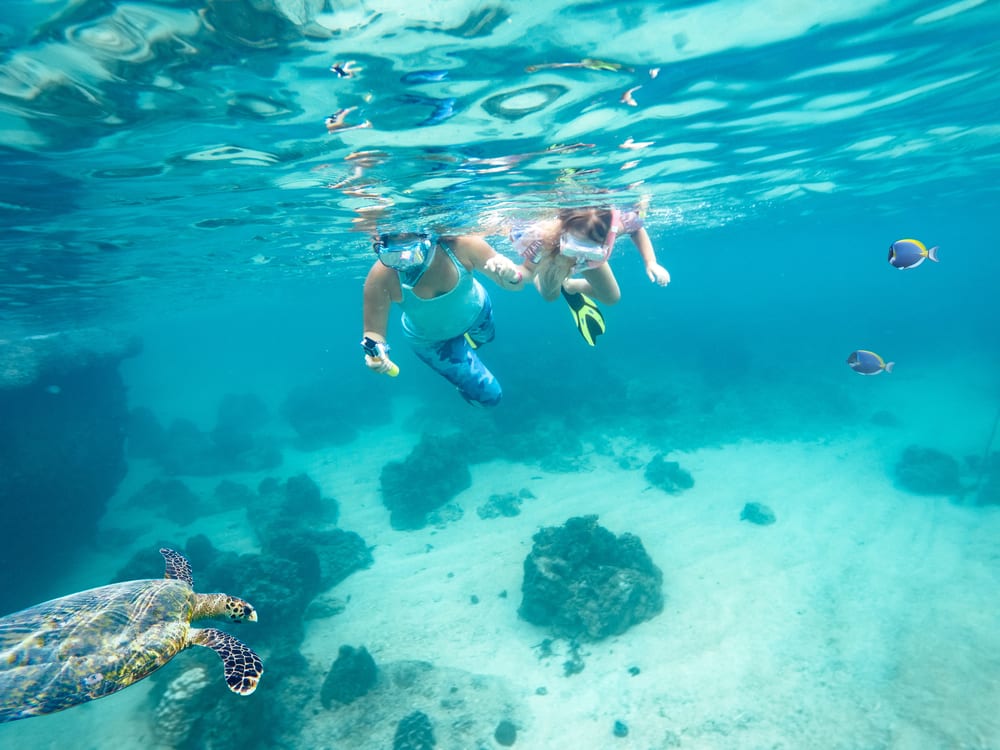
Frequent sightings include butterflyfish and sea turtles. Respect these creatures by maintaining a distance.
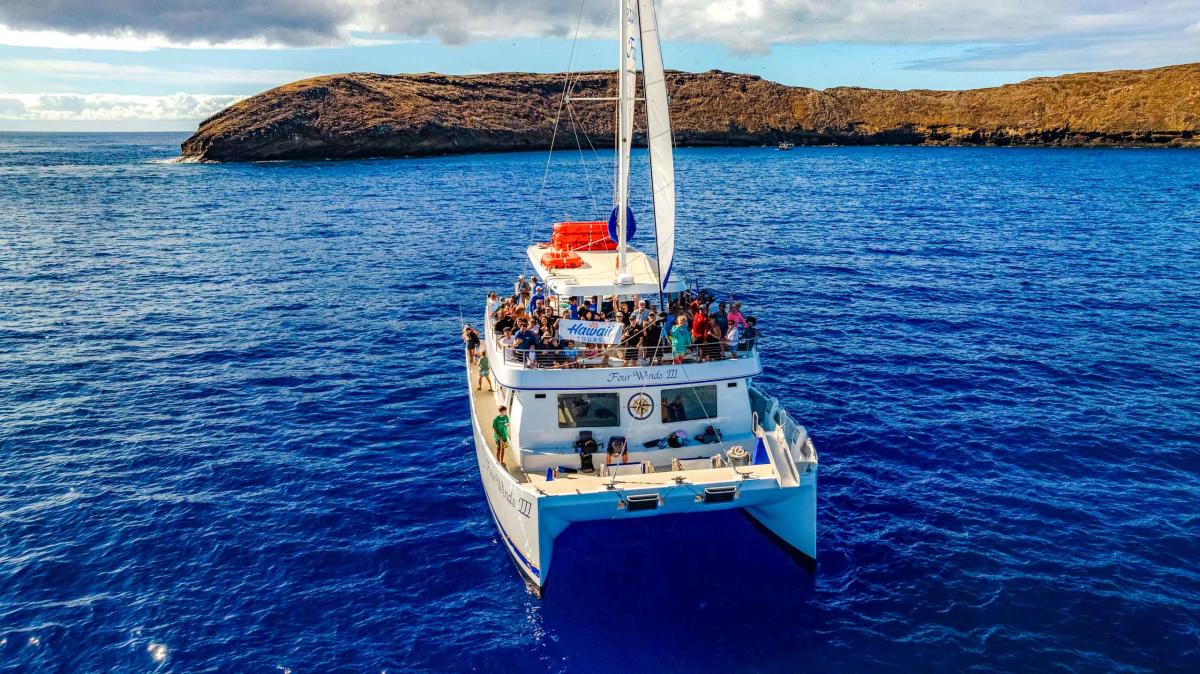
You board the catamaran at dawn, the hull rocking gently in the harbor as the crew stows coolers and checks the passenger manifest. The crossing takes thirty minutes, the boat slicing through indigo water while the sun climbs over Haleakalā's eastern ridge.
Molokini appears as a dark comma on the horizon, growing into a steep crescent as you approach the inner anchorage.
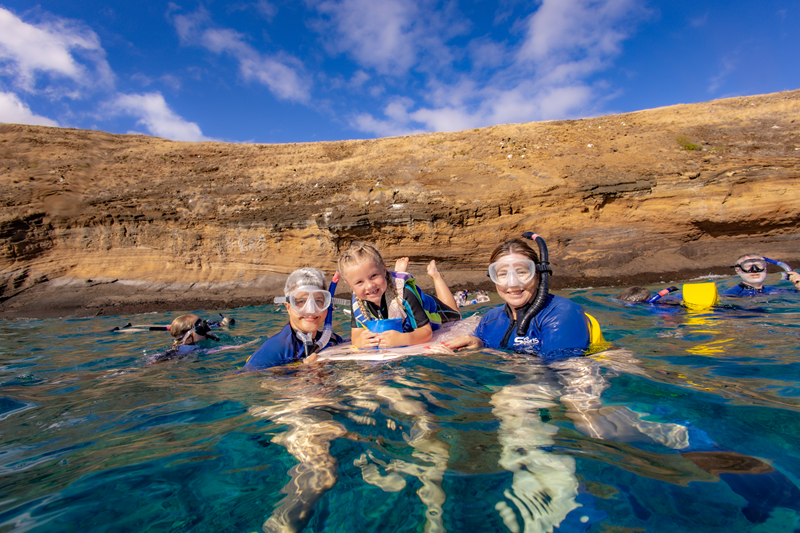
The dive master fits your life vest snugly across your chest and demonstrates mask clearing at the swim platform, the silicone skirt sealing against your face with a firm press. You step down the ladder into bathwater, the vest holding your chin above the surface without effort. Schools of convict tangs swirl below, their black-and-white bars flickering over the coral shelf. You paddle toward the reef wall, finning slowly, and peer into a crevice where a spotted moray eel coils in shadow. The guide points to a green sea turtle grazing on algae ten feet down, its shell barnacled and ancient.
You drift along the crater's curve for forty minutes, the basalt columns dropping into cobalt blue beyond the reef edge. Parrotfish scrape the coral with beak-like jaws, their grinding audible underwater. When the captain signals return, you climb the ladder and rinse in the freshwater shower, salt crusting your skin as the boat motors back toward Maui's coastline.
All the details about your upcoming adventure in one place
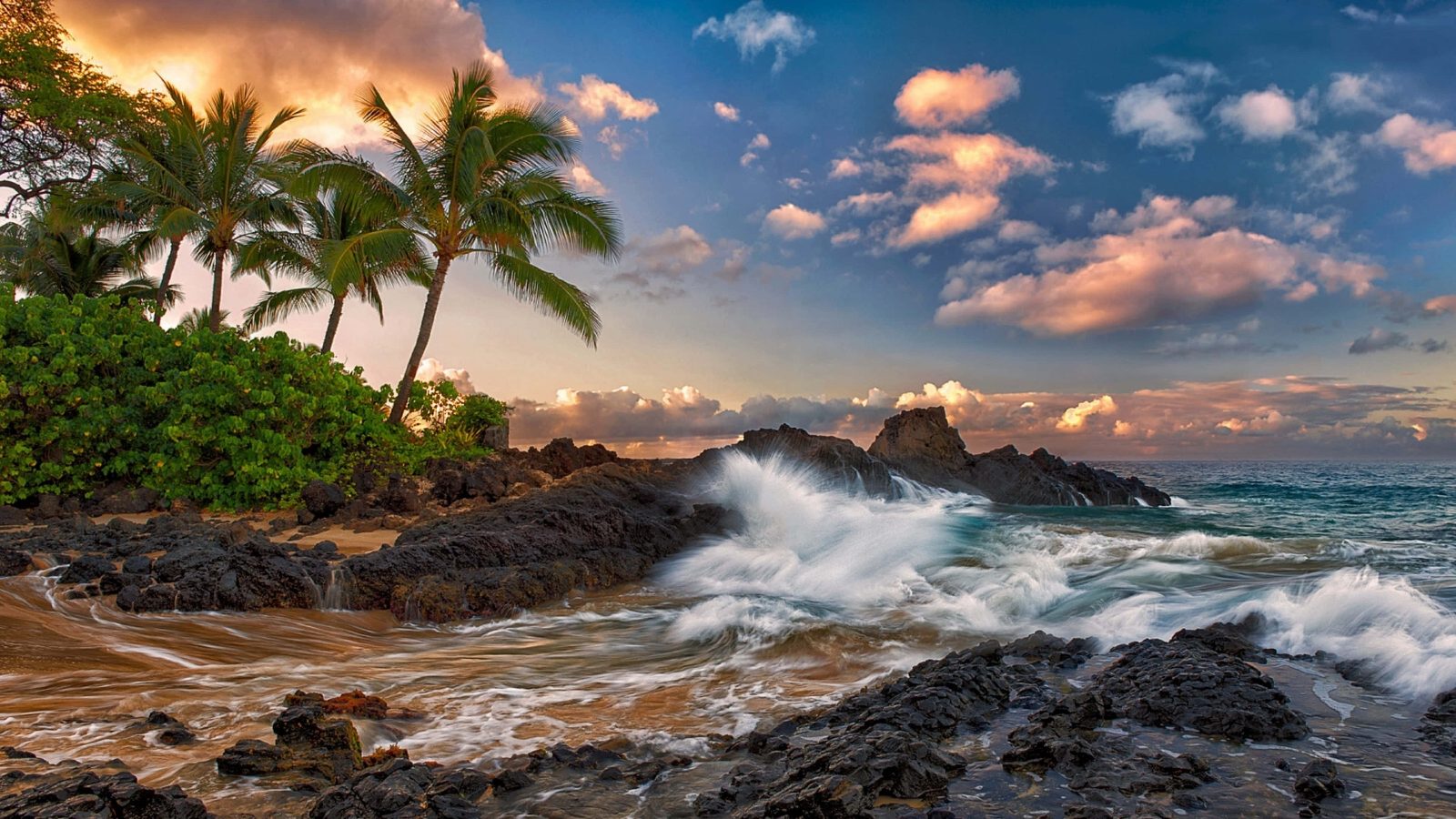
Molokini Crater sits three miles offshore from Wailea Beach, a crescent of volcanic tuff rising 160 feet above the Pacific and plunging 300 feet below.
The half-moon islet is what remains of a cinder cone that erupted 230,000 years ago, its seaward flank collapsing into the ocean and leaving a sheltered inner basin that traps calm water even when winter swells rake the outer coast. The crater's protected status as a Marine Life Conservation District since 1977 ensures zero commercial fishing, zero anchoring, and strict vessel limits, preserving one of Hawaii's clearest snorkeling sites with visibility often exceeding 150 feet.
For visitors who cannot swim or carry anxiety about open water, molokini snorkeling for non swimmers tours address safety through layered protocols. Every licensed operator equips passengers with Coast Guard-approved Type II life vests, which provide passive buoyancy without arm interference, and assigns certified dive masters who remain in the water throughout the session. The crater's inner wall slopes gradually from five to thirty feet, allowing participants to control their depth by drifting closer or farther from the reef. Surface water temperatures hold steady between 75 and 80 degrees Fahrenheit year-round, eliminating thermal shock, and the basin's natural windbreak keeps surface chop minimal during the optimal morning departure window.
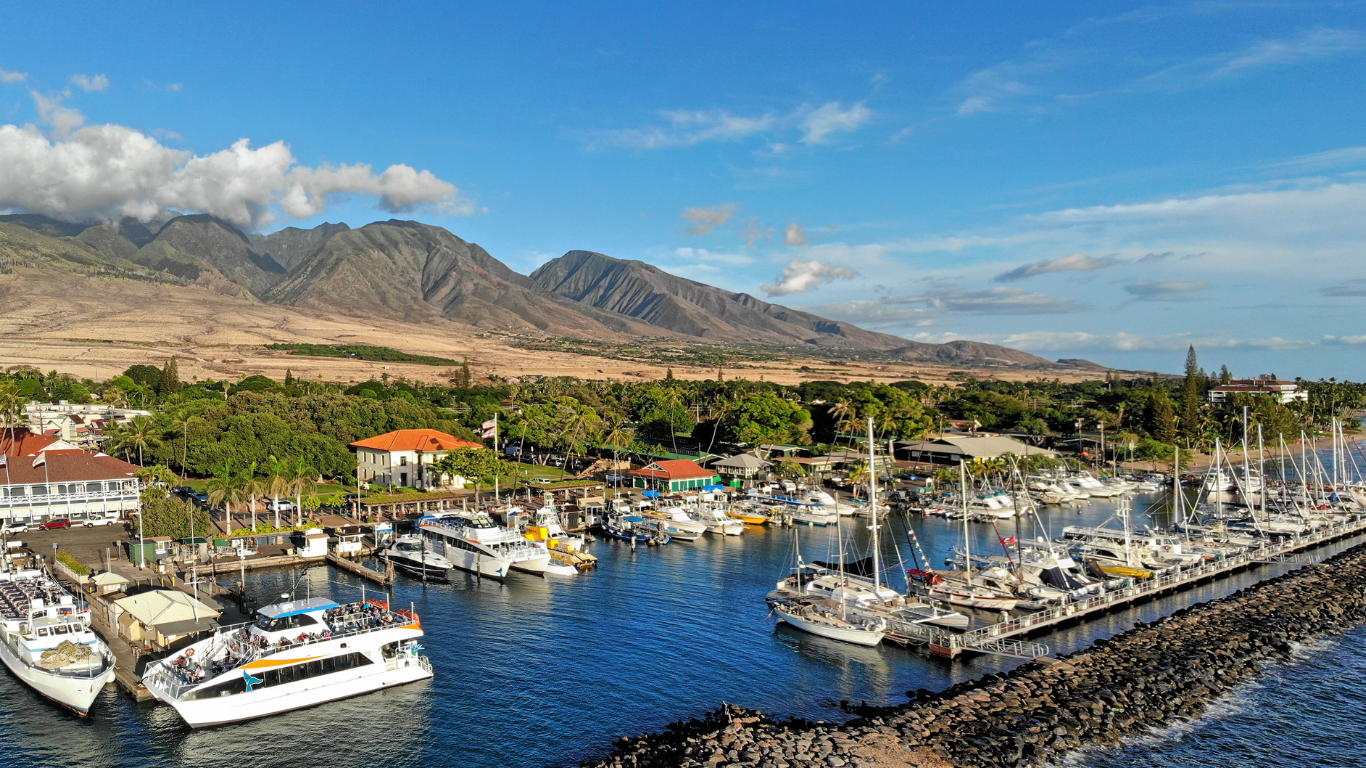
The reef itself hosts over 250 species of fish, including endemic yellow tangs, Moorish idols, and occasional manta rays that glide along the outer drop-off. Coral formations cling to the basalt substrate in bands of cauliflower, antler, and lobe coral, their polyps feeding in the nutrient-rich currents that sweep through the channel. Tour operators launch from Maalaea Harbor or Kihei Boat Ramp, crossing the Alalakeiki Channel in stable catamarans with onboard restrooms, freshwater showers, and shaded seating. Departure times cluster between 7:00 and 9:00 a.m. to secure the calmest conditions before trade winds accelerate mid-morning.
Molokini's designation as a State Seabird Sanctuary protects nesting wedge-tailed shearwaters on the crater's exposed rim, and the surrounding waters fall under both state and federal marine management, ensuring long-term ecological stability. The site's consistent conditions and infrastructure support make it the most accessible offshore snorkel destination in Maui for first-time ocean swimmers.

The crater's inner wall slopes gradually from five to thirty feet, allowing participants to control their depth by drifting closer or farther from the reef.
Wear swimwear and comfortable, non-slip footwear for boarding. Bring a light cover-up or windbreaker for the boat ride.
Keep belongings minimal as space on deck is limited. Waterproof dry bags are recommended for personal items.
Underwater cameras are encouraged to document marine life. Secure all equipment with straps to prevent loss in the ocean.
Operators offer child-sized life jackets and pool noodles for those learning molokini snorkeling for non swimmers.
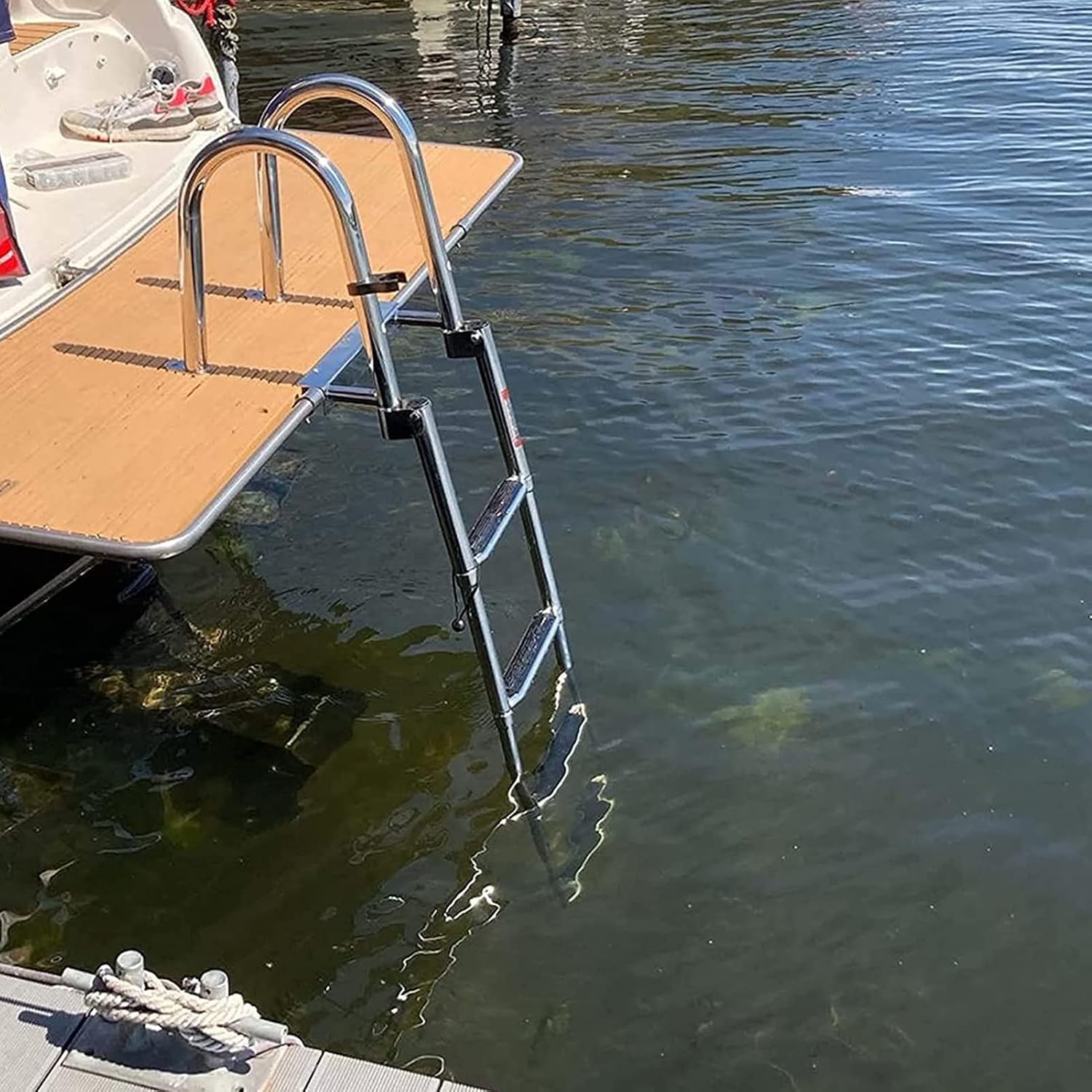
Most commercial vessels provide boarding ramps and water entry assistance for molokini snorkeling for non swimmers.
Most excursions include light breakfast and lunch options. Hydration is essential while out at sea.
Operating Hours
00:00–23:59
Address
Molokini Crater, offshore of South Maui, HI
Safety
Life vests provided for all passengers
Peak Conditions
07:00–11:00
Access
Paid private commercial boat tours
Car · 60 min · N/A
Parking available at harbor facilities. Arrive early to secure spots before morning departures.
Taxi · 40 min · Variable
Readily available from Wailea hotels. Recommended for stress-free transfers to the harbor.
Tours often require 48-hour notice for full refunds. The entrance fee is 0 USD as access is limited to commercial boats.
Recommended time
4-5 hours
Most boat excursions to this South Maui landmark require a half-day commitment, providing ample time for professional safety briefings regarding life vests and flotation devices essential for molokini snorkeling for non swimmers. Departing from nearby harbors, these molokini snorkeling for non swimmers tours prioritize the best arrival window of 07:00–11:00 to ensure calm ocean conditions and high water clarity. While you can often secure molokini snorkeling for non swimmers tickets well in advance, morning departures remain the most popular choice as trade winds typically increase later in the day. Accessing this marine preserve is exclusively via paid private commercial boat tours, meaning your time on the water is managed by the vessel operator's safety protocols.
Crowd levels through the day
Weather · crowds · average price — dots go green to amber to red as each metric rises.
Mild temperatures and clear water are common. Ideal for those booking a molokini snorkeling for non swimmers tour.
Water is warmest during these months. Consistent calm conditions favor morning excursions.
Fewer crowds visit after peak summer. Great for booking molokini snorkeling for non swimmers tickets.
Whale watching season begins. Observe marine mammals from the boat between snorkeling sessions.
Use provided flotation devices for molokini snorkeling for non swimmers. They ensure buoyancy while you observe the reef.
Apply sunscreen 20 minutes before entering the water. Protect your skin from the intense tropical sun.
Drink plenty of water before and after your trip. Dehydration can occur quickly on the open ocean.
Take preventative measures if you are prone to motion sickness. Staying on deck helps maintain balance.
Do not touch or stand on the coral reef. Protect the delicate habitat at Molokini Crater.
South Kihei Rd, Kihei, HI
Alternative departure point for smaller vessels
Get directionsMolokini Crater emerged roughly 230,000 years ago during a violent submarine eruption that punched through the ocean floor three miles offshore of what is now Wailea. The explosion left behind a crescent-shaped caldera, its submerged inner wall dropping sharply to 150 feet and sheltering a reef system that would remain largely undisturbed for millennia. Native Hawaiians knew the formation as Pu'u Olai's offshore sibling, a place woven into oral traditions but seldom visited due to its exposure and lack of fresh water. Western charts began recording the crescent in the early 19th century as a navigational hazard. The U.S. Navy commandeered Molokini during World War II, using the crater's visible rim as a bombing target for aircraft and ship-based gunnery practice. Ordnance scarred the tuff cone and seabed, leaving unexploded shells that divers occasionally encounter even today. After the war the site returned to isolation until the 1970s, when commercial dive operators in Maalaea Harbor recognized the crater's twin advantages: morning calm created by the leeward position and a resident fish population conditioned to vertical relief. Early molokini snorkeling for non swimmers tours relied on surface observation and flotation belts, as modern buoyancy vests had not yet become standard. By 1977 the State of Hawai'i designated Molokini a Marine Life Conservation District, banning fishing and anchoring on living coral. Tour companies shifted to mooring buoys, and passenger volumes climbed steadily through the 1980s as Maui's resort corridor expanded. The crater's accessibility for novices—protected waters, abundant visibility, and mandatory life vest policies introduced in the mid-1990s—cemented its reputation as the safest offshore snorkel site in the islands. Modern molokini snorkeling for non swimmers tickets now include Coast Guard-approved flotation devices, in-water guides, and pool noodles, transforming what was once an expert-only offshore dive into a controlled excursion departing daily from Maalaea and Kihei.
Submarine eruption forms Molokini's crescent caldera three miles off Maui's southern coast.
Western navigators chart the crater as a mid-channel obstacle in shipping lanes.
U.S. Navy uses Molokini as aerial and naval bombardment practice range, leaving unexploded ordnance.
Commercial dive boats begin regular trips, marketing the site for surface snorkeling and scuba.
Hawai'i declares Molokini a Marine Life Conservation District, prohibiting fishing and anchoring on coral.
Tour operators adopt mandatory life vest policies to accommodate non-swimmers and families.
Daily passenger limits and mooring-buoy systems protect reef health amid rising visitor numbers.
Position yourself at the front of the vessel for an expansive view of the crescent-shaped islet as you approach. This vantage point provides a stable platform to capture the transition from deep blue waters to the shallow coral reefs during molokini snorkeling for non swimmers excursions.
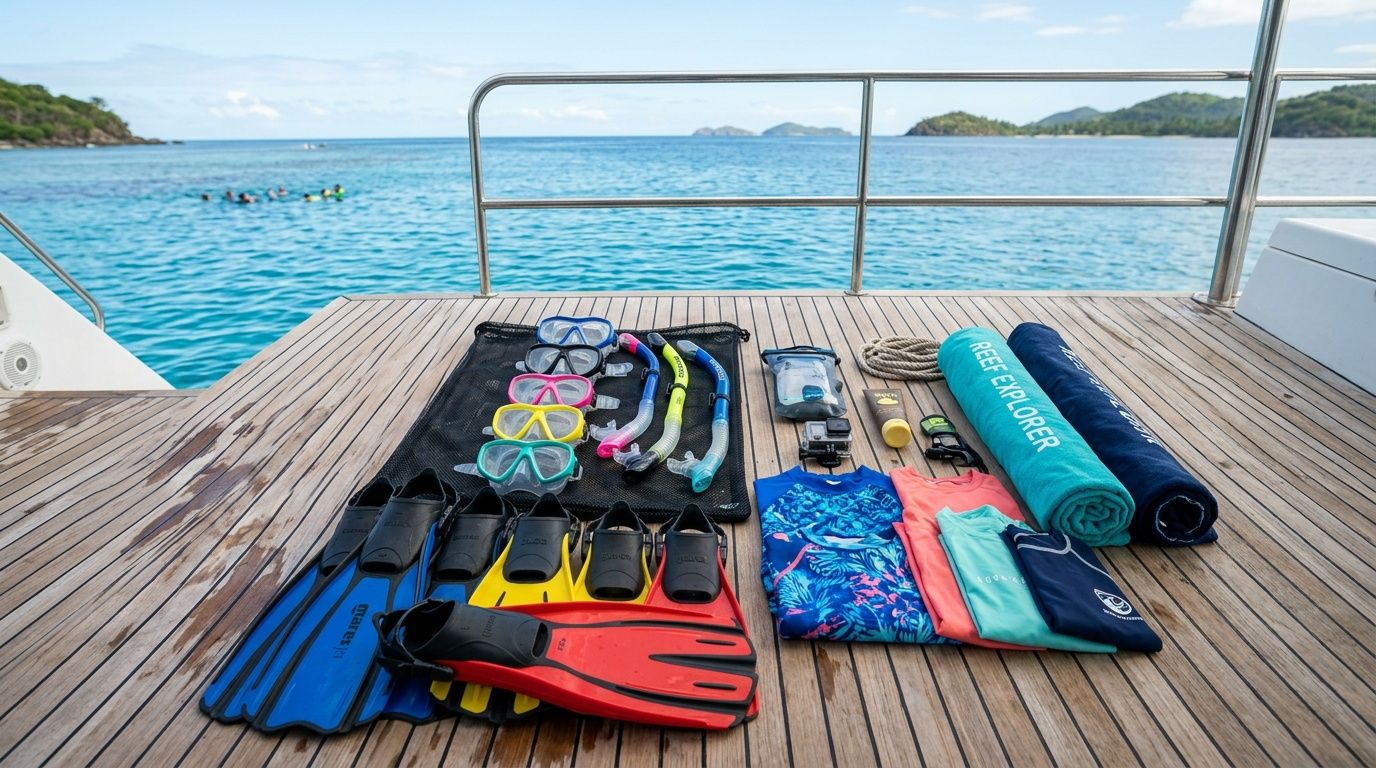
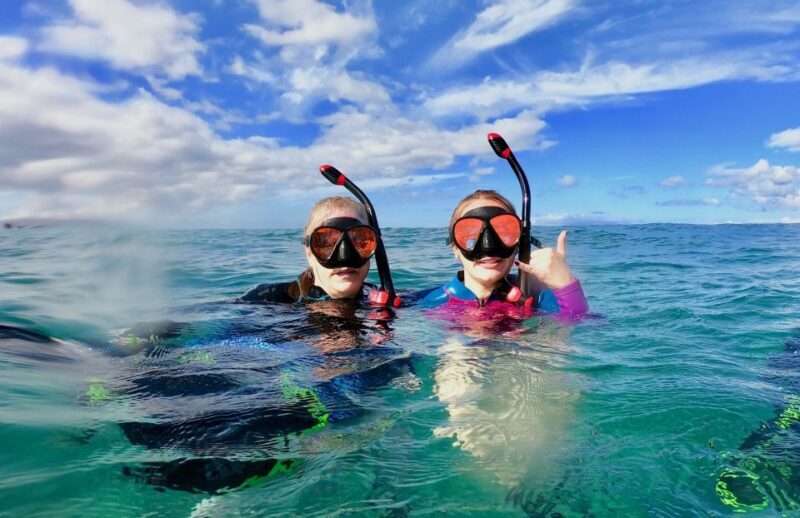
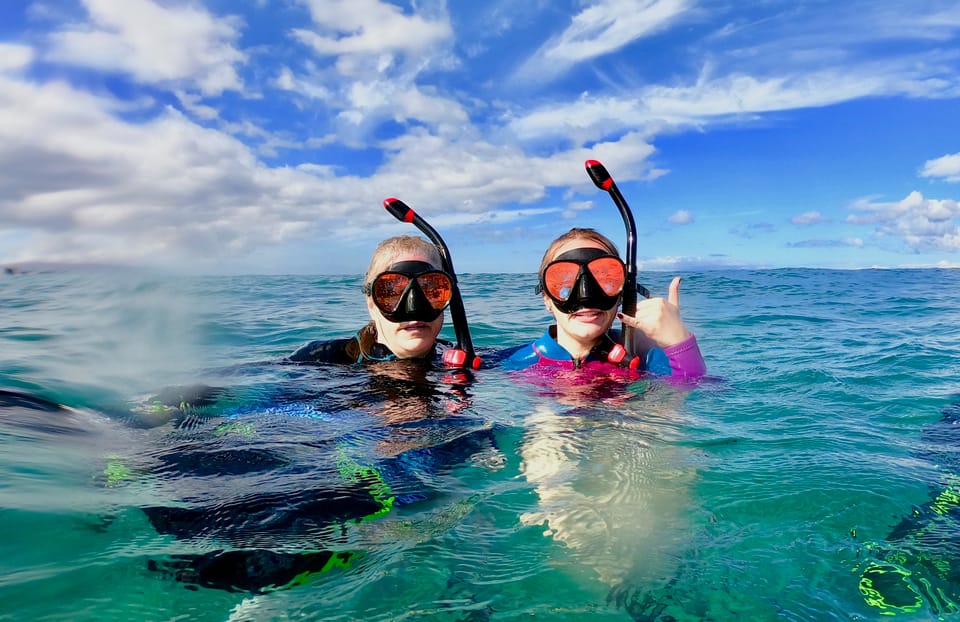
Capture the organized layout of life vests, noodles, and optical masks located on the main deck. This shot highlights the safety equipment essential for those utilizing molokini snorkeling for non swimmers tours to explore the marine life comfortably.
Stand at the upper deck railing to photograph the clarity of the water and the marine sanctuary surroundings from above. This spot is ideal for documenting the activity before entering the water with your flotation device from our molokini snorkeling for non swimmers tickets holder access points.
Focus on the water-entry point where snorkelers use the ladder to safely descend into the Pacific. This composition showcases the accessibility features for visitors using a molokini snorkeling for non swimmers tour to enjoy the protected ecosystem.
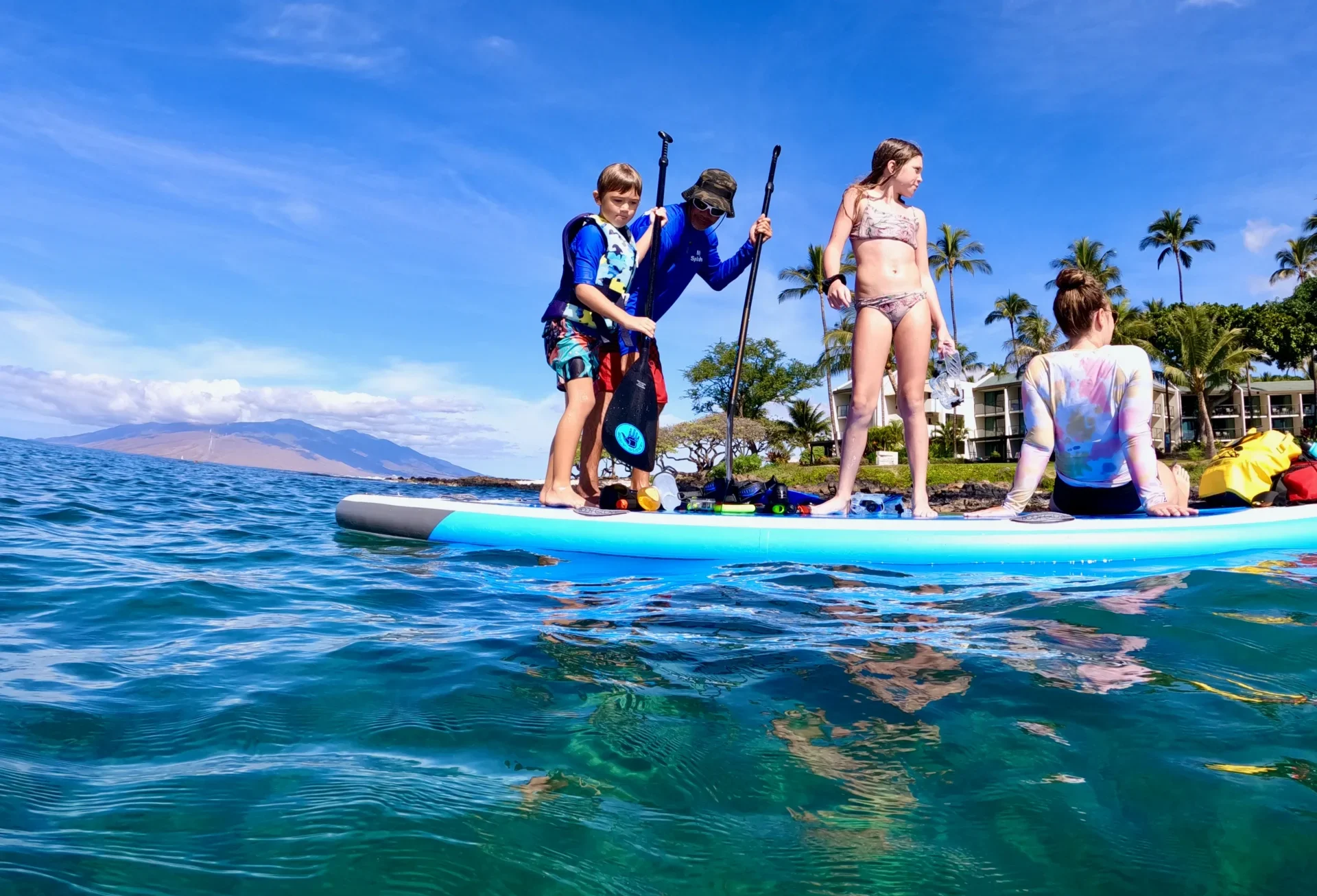
Planning a trip to the crater is manageable for families because many operators specialize in molokini snorkeling for non swimmers by providing high-buoyancy gear. These boat excursions prioritize passenger security, ensuring that even those who are not confident in the water can observe the marine life safely.
Most vessels provide life vests, flotation noodles, and optical masks specifically for those seeking a molokini snorkeling for non swimmers tour to ensure comfort in deep water. Always confirm that your chosen boat carries child-sized vests before booking your molokini snorkeling for non swimmers tickets.
While the crater itself is open water, boats departing from near Wailea Beach are equipped with stable boarding ladders for easy entry and exit. Selecting larger catamarans often provides more deck space and easier movement for families interested in molokini snorkeling for non swimmers tours.
Children aged five and older typically gain the most from these trips, as they can better handle the mask fit and the boat motion. Parents should assess their child's comfort with ocean waves before committing to these Maui landmarks.
Professional crews maintain constant water surveillance and offer guided entry for guests who are hesitant. This level of supervision is standard for a guided marine excursion at this offshore site.
Most morning departures include light breakfast options and lunch on board, which helps manage hunger for younger travelers. Be sure to arrive during the 07:00–11:00 window to enjoy the calmest water before dining on deck.
Since Molokini Crater is an offshore marine sanctuary with no commercial facilities, visitors planning molokini snorkeling for non swimmers should anticipate dining at Wailea Beach venues after returning to shore. Most tour operators provide snacks or lunch on board, but local establishments offer a more substantial experience once back at the harbor.
Ideal for a quick post-snorkel caffeine fix or light pastry. This spot is popular with morning tour groups and offers efficient service near the water.
Known for local seafood and wood-fired pizza, this restaurant is a comfortable setting to relax after your Molokini Crater tour. It is spacious enough to accommodate groups who have spent the morning on the water.
Located near the beach, this venue provides a relaxing atmosphere for those using molokini snorkeling for non swimmers tickets to enjoy a full meal. Their menu focuses on fresh, island-inspired ingredients perfect for a calm afternoon.
A convenient stop for grab-and-go items if you are heading back from your molokini snorkeling for non swimmers tour. They offer high-quality sandwiches and salads that cater to post-excursion appetites.
Everything you need to know for your journey
Yes, operators specialize in molokini snorkeling for non swimmers by providing flotation devices and safety briefings.
The crater is accessible 00:00–23:59 via authorized vessels, but tours generally operate mornings.
Yes, booking molokini snorkeling for non swimmers tickets early ensures your spot on preferred morning boats.
You may bring your own mask, but operators provide sanitized equipment for all molokini snorkeling for non swimmers participants.
The best arrival window for molokini snorkeling for non swimmers is 07:00–11:00 for optimal water clarity.
Children are welcome and often benefit from specific gear provided for molokini snorkeling for non swimmers.
Tours may be rescheduled or refunded based on the operator's safety policies.
Most tours include snacks or lunch as part of your molokini snorkeling for non swimmers tour.
The entrance fee is 0 USD, though you must pay for a commercial boat tour.
Most tours depart from Maalaea Harbor or Kihei Boat Ramp, reachable by car or taxi from Wailea.
Features sandy beaches and volcanic landscapes.
Popular spot for coastal walks and sunset views.
A scenic walking trail connecting major resorts.
Historical site with hardened lava formations.
High-end resort near the water.
Modern luxury with beachfront access.
Affordable options near departure points.
Join thousands of happy travelers who have discovered this incredible experience
Book Your Experience Now